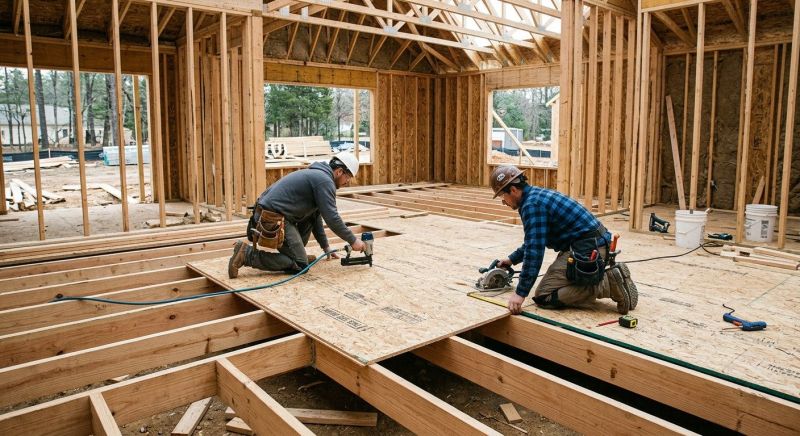
Subfloor Replacement in Wilmington, NC
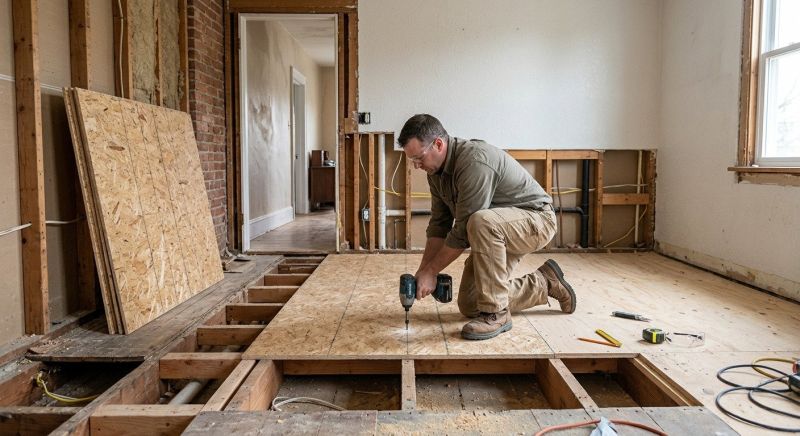
Subfloor replacement services involve removing and installing new subflooring materials beneath the finished flooring in a property. This service is commonly requested during renovations, water damage repairs, or when structural issues are identified beneath the surface. Projects may include replacing damaged plywood, replacing rotted or warped wood, or upgrading subfloor materials to improve stability and support for flooring installations such as hardwood, tile, or carpet. Property owners typically want to understand the scope of work, the types of materials used, and how the process might impact their daily routine or existing flooring.
Before requesting subfloor replacement, property owners should consider the extent of damage or deterioration, as well as any underlying issues like moisture or mold that may need addressing. It's also helpful to know the compatibility of new subfloor materials with existing flooring and to clarify any concerns about the project's impact on the property’s structure or safety. Understanding these details can help ensure the replacement process aligns with the property's needs and long-term durability.
Many property owners in Wilmington, NC look into Subfloor Replacement for repairs, replacements, upgrades, and appearance-related improvements.
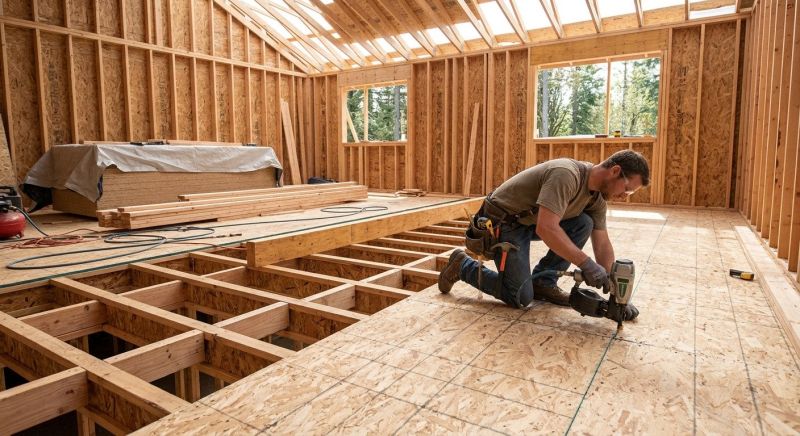
Signs Of Subfloor Damage
Warped or sagging floors often indicate the need for subfloor replacement.
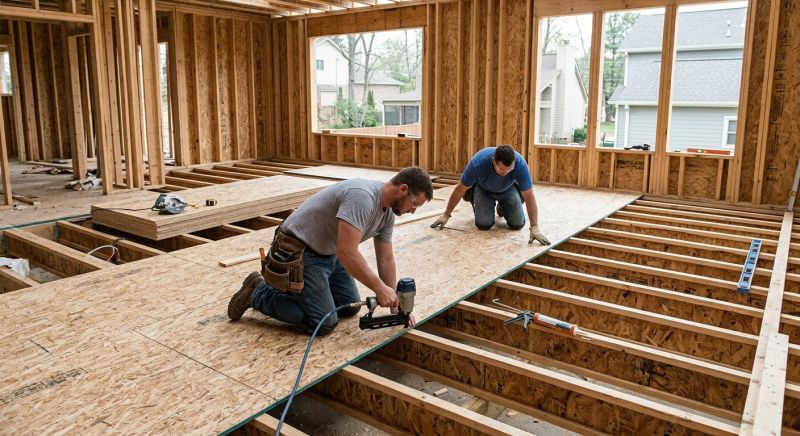
Benefits Of Subfloor Replacement
Replacing damaged subfloors can improve floor stability and prevent further issues.
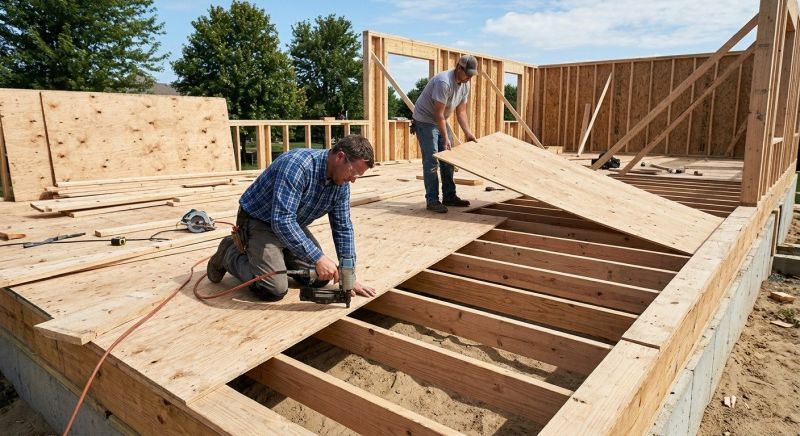
Common Replacement Projects
Subfloor replacement is frequently needed in areas affected by water damage or age-related wear in wilmington, nc.
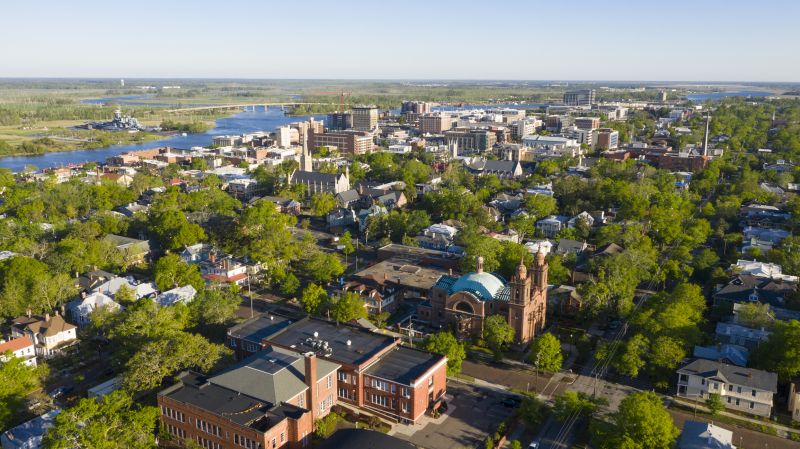
Subfloor Replacement in Wilmington, NC
Subfloor replacement services involve removing and installing new subflooring materials beneath the finished flooring in a property. This service is commonly requested during renovations, water damage repairs, or when structural issues are identified beneath the surface. Projects may include replacing damaged plywood, replacing rotted or warped wood, or upgrading subfloor materials to improve stability and support for flooring installations such as hardwood, tile, or carpet. Property owners typically want to understand the scope of work, the types of materials used, and how the process might impact their daily routine or existing flooring.
Before requesting subfloor replacement, property owners should consider the extent of damage or deterioration, as well as any underlying issues like moisture or mold that may need addressing. It's also helpful to know the compatibility of new subfloor materials with existing flooring and to clarify any concerns about the project's impact on the property’s structure or safety. Understanding these details can help ensure the replacement process aligns with the property's needs and long-term durability.
Many property owners in Wilmington, NC look into Subfloor Replacement for repairs, replacements, upgrades, and appearance-related improvements.
Common Subfloor Replacement Jobs
Subfloor Replacement - removes damaged or rotting subfloor to restore structural integrity.
Water Damage Repair - replaces subfloor affected by leaks or flooding to prevent further issues.
Foundation Support - addresses sagging or uneven floors by installing a new subfloor layer.
Remodeling Projects - replaces subfloor during home upgrades or renovations for a solid foundation.
Pest Damage Restoration - replaces subfloor affected by termites or other pests to maintain safety.
Floor Leveling - installs a new subfloor to create a smooth, even surface for flooring installation.
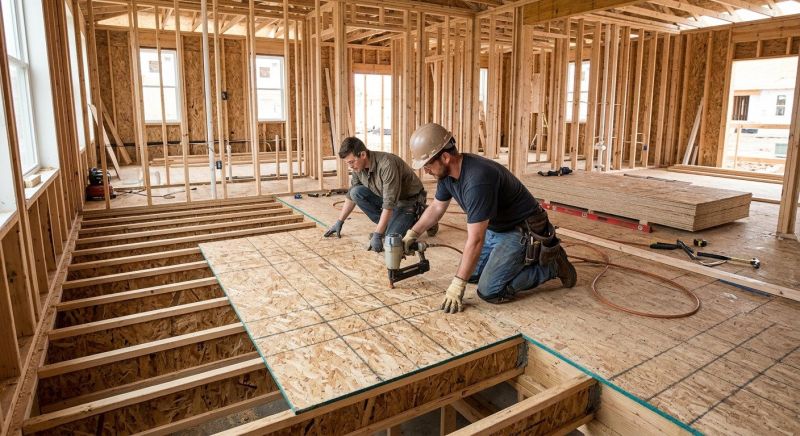
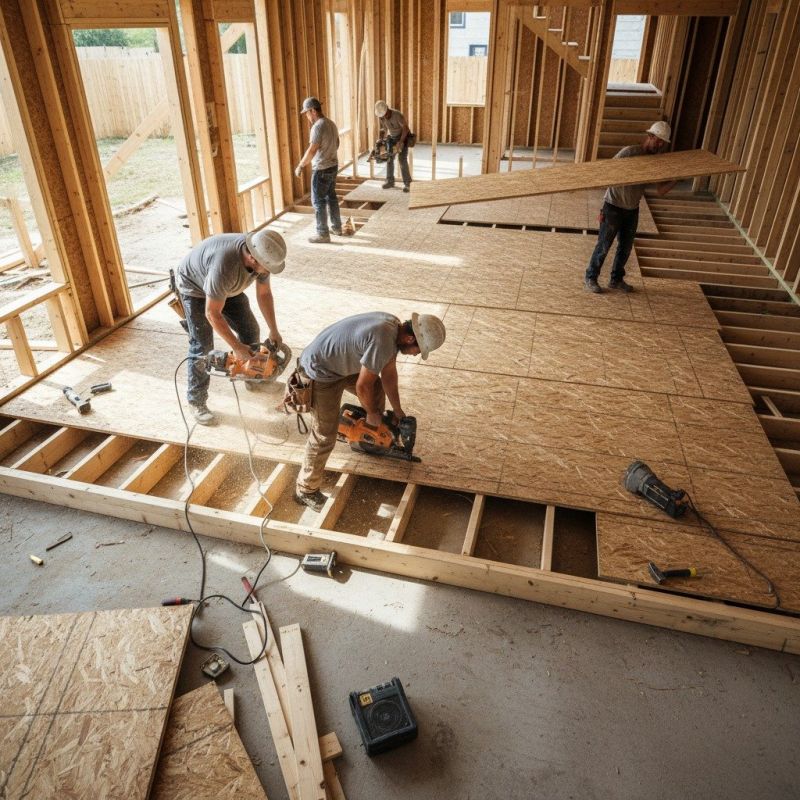
Subfloor Replacement Questions
What are signs that subfloor replacement is needed? Signs include sagging floors, uneven surfaces, or noticeable creaking and bouncing when walking.
What types of flooring projects typically require subfloor replacement? Subfloor replacement is often needed during remodels, water damage repairs, or when installing new flooring over damaged surfaces.
How does subfloor replacement improve a property's condition? Replacing a damaged subfloor provides a stable base for flooring, reducing issues like squeaks, unevenness, and structural concerns.
What materials are commonly used for subfloor replacement? Plywood and oriented strand board (OSB) are common materials used for replacing subfloors in residential properties.
Request Subfloor Replacement in Wilmington, NC
Use the quote form on this page to share the basics of your project and request more information for the type of work you need.